Source Recyclable Corrugated Wine Bottle Carrier for Beer, Wine, Beverage
Compare 30 listings for the recyclable corrugated wine bottle carrier with twist handle, featuring custom logos and various sizes. Buyers can evaluate materials like paper and plastic, check certifications such as FDA and LFGB, and review lead times from Zhejiang and Jiangsu suppliers.
Key considerations
Products List


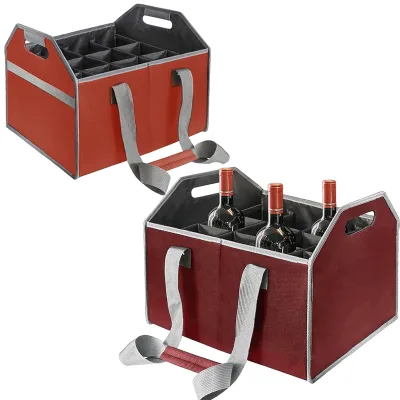
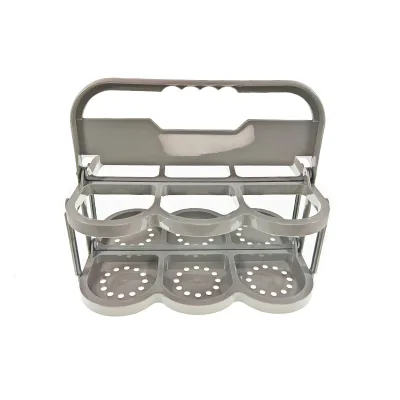
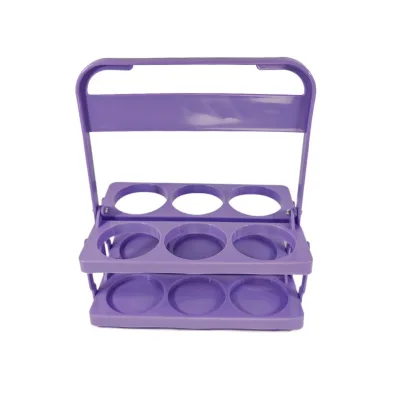


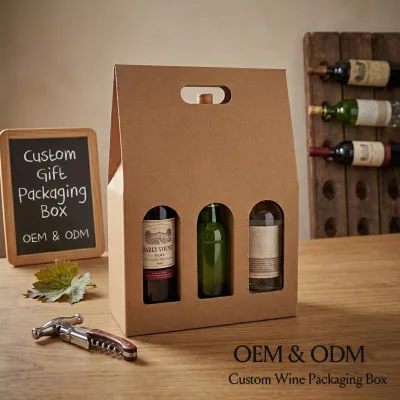
Comprehensive Sourcing Guide
Recyclable Corrugated Wine Bottle Carrier with Twist Handle Sourcing Guide
The market for recyclable corrugated wine bottle carriers with twist handles presents a distinct opportunity for buyers seeking sustainable packaging solutions that combine structural integrity with ergonomic convenience. Observed listings indicate that while paper-based materials are prevalent, specific models like the FP6065 and various bottle carriers are available in diverse configurations, including single printing pages and customizable dimensions. Buyers must carefully distinguish between general paper products and specialized carriers designed specifically for beverage transport, as the latter often require reinforced structures to support the weight of glass bottles during logistics.
Procurement strategies should prioritize suppliers who explicitly offer customization for logos and colors, as this is a standard feature across many observed listings. The availability of custom packing methods, ranging from individual boxes to bulk cartons, allows buyers to align packaging with their specific distribution channels. However, the presence of plastic-based alternatives in the same search results necessitates a rigorous verification process to ensure the selected product meets the strict "recyclable corrugated" requirement, as material composition varies significantly between suppliers offering paper versus plastic solutions.
Product Scope and Observed Listing Signals
Buyers should expect a wide variance in product dimensions, with observed standards ranging from compact 8x5.3x6 inch units to larger 47x35x78.5 cm configurations. The core keyword implies a specific structural design, yet the data shows models like the Cardboard Bottle Holder and various BOTTLE CARRIER series (001, 008, 015, 018, 020) with differing standard sizes. This inconsistency highlights the need to verify that the specific model number corresponds to a corrugated paper construction with a functional twist handle, rather than a generic plastic or rigid box that merely resembles the desired aesthetic.
The observed listing signals also reveal significant flexibility in color and branding options, with suppliers offering black, white, blue, pink, and fully customized color schemes. While some products feature single printing pages, others support complex logo applications via silk screen or heat transfer printing. This variety suggests that while the base material might be consistent, the final product's visual identity and structural reinforcement can differ greatly. Buyers must scrutinize product images and descriptions to confirm the presence of the specific twist handle mechanism, as this feature is not universally present in all listed bottle carriers.
Technical Specifications to Verify
Verification of the material composition is the primary technical hurdle, as the supply base includes both paper and plastic variants. Buyers must explicitly confirm that the carrier is constructed from corrugated paper rather than plastic, as the latter fails the recyclability criteria implied by the core keyword. Specific model numbers such as 332, 351, and 335 are associated with foldable and modern styles, but the material attribute must be cross-referenced to ensure the corrugated structure is maintained for wine bottle support.
Dimensional accuracy is equally critical, with observed standards varying from 284x178x320 mm to 24.4x15.8x30 cm. The buyer must ensure the internal dimensions accommodate the specific bottle size, whether for beer, wine, or general beverages, without compromising the structural integrity of the twist handle. Additionally, the folding capability observed in some models should be validated to ensure it does not weaken the carrier during the loading and unloading process. Confirming the exact standard dimensions against the supplier's technical drawing is essential to prevent fitment issues in the final supply chain.
Compliance and Safety Documentation
Safety compliance is a non-negotiable aspect of sourcing beverage carriers, particularly when the product is intended for direct contact or close proximity to consumables. Observed listings frequently cite FDA and LFGB certifications, which are critical indicators of food-grade safety for materials used in packaging. Buyers must request current certification documents to verify that the paper or adhesive components used in the corrugated carrier meet these stringent international safety standards, ensuring no harmful substances leach into the product environment.
Beyond material safety, the structural safety of the twist handle must be validated to prevent accidents during transport. While specific test results are not provided in the general listing data, the "High Quality" attribute observed in some models suggests a baseline for durability. Buyers should inquire about load-bearing tests specific to the twist handle mechanism to ensure it can support the weight of a full wine bottle without tearing or detaching. This verification step is vital for maintaining brand reputation and ensuring the safety of end-users during the handling of heavy glass bottles.
Cost Drivers and Commercial Terms
The cost structure for these carriers is heavily influenced by the degree of customization required, particularly regarding logo application and color selection. Listings indicate that while standard colors like black and white are common, custom colors and specialized printing methods such as heat transfer or silk screen can increase production costs. Buyers should anticipate that the "Customized Logo Acceptable" feature, while desirable for branding, will likely impact the unit price and minimum order quantity thresholds compared to unbranded stock items.
Commercial terms vary significantly, with observed minimum order quantities ranging from 500 pieces to 50,000 pieces depending on the supplier and model complexity. Lead times are also a critical cost driver, with some suppliers indicating delivery windows of 35 to 45 days, while sample times can extend up to 10 working days. Buyers must factor these timelines into their inventory planning, as the "According to The Customer's Order" packing standard implies that rush orders may incur additional premiums or require expedited shipping arrangements from ports like Shanghai or Ningbo.
Supplier Qualification and Quality Control
Supplier qualification should focus on verifying the origin and manufacturing capabilities, as observed data points to production hubs in Zhejiang and Jiangsu, China. Buyers must confirm that the supplier has a proven track record in producing corrugated paper products specifically for the beverage industry, rather than general paper goods. The presence of specific model numbers and standardized dimensions suggests a level of industrial maturity, but direct verification of the factory's capacity to handle custom orders is necessary to ensure consistent quality.
Quality control protocols must be established to address the variability in material and finish observed across different listings. Since some products are described as "High Quality" while others lack specific quality descriptors, buyers should implement a rigorous inspection regime that includes checking for material consistency, print alignment, and structural integrity of the twist handle. Requesting pre-production samples and conducting random quality checks during the production run are essential steps to mitigate the risk of receiving substandard carriers that fail to meet the recyclable and durable requirements of the core keyword.
Long-Term Procurement Checks
Sustainable sourcing requires ongoing verification of the recyclability claims to ensure they remain valid as material suppliers and manufacturing processes evolve. Buyers should establish a periodic review process to confirm that the paper used in the corrugated carriers continues to meet environmental standards and that the recycling infrastructure in the destination market can effectively process the product. This proactive approach ensures that the "recyclable" attribute remains a genuine value proposition rather than a static marketing claim that may become obsolete.
Long-term partnerships should also include regular audits of the supplier's ability to maintain consistent lead times and quality standards over multiple production cycles. Given the observed range of delivery times and the potential for customization delays, buyers must monitor the supplier's performance against agreed-upon service level agreements. Establishing clear communication channels for addressing any deviations in material quality or production schedules will help maintain supply chain stability and ensure the continuous availability of high-performance wine bottle carriers.
FAQs
Can I customize the logo on the bottle carrier?
Yes, customized logos are acceptable for these carriers. You can choose from silk screen or heat transfer printing methods to apply your brand identity. This customization is available for various models, allowing you to tailor the packaging to your specific marketing needs and brand guidelines effectively.
What materials are used for these bottle holders?
These holders are primarily manufactured using paper and plastic materials. Paper options include corrugated styles suitable for recycling, while plastic variants offer durability. The choice depends on your specific product requirements, with some models designed specifically for beer, wine, or general beverage packaging applications.
What is the typical lead time for production?
The standard delivery time is typically 35 to 45 days after order confirmation. Sample preparation usually takes 7 to 10 working days. These timelines ensure quality control and proper manufacturing scheduling, allowing you to plan your inventory and distribution logistics accordingly for timely market availability.
What certifications do the plastic carriers have?
The plastic bottle carriers hold FDA and LFGB certifications. These standards ensure the materials are safe for food and beverage contact. This compliance is crucial for international shipping and meets regulatory requirements in major markets, providing assurance of product safety and quality for end consumers and retailers.
What are the standard packaging dimensions available?
Standard dimensions include 8x5.3x6 inches and 5.5x5.5x7.8 inches. Other models feature sizes like 284x178x320 mm or 24.4x15.8x30 cm. Custom sizes are also available to fit specific bottle shapes. These varied dimensions ensure optimal protection and efficient stacking for different beverage types and retail displays.
Is there a minimum order quantity required?
The minimum order quantity is 500 pieces for standard plastic models. Paper-based carriers may have different MOQs depending on customization levels. Bulk orders can reach up to 50,000 units. This flexibility allows businesses of various sizes to source appropriate quantities while maintaining cost efficiency through volume discounts.